
Detection Dog Teams for Schools, Workplaces, and Public Facilities
K9 Interdiction and Detection Services (K9IDS) is based in California’s Central Valley and provides narcotics, explosives, and firearms detection teams to organizations across the entire United States — scheduled around your operations and documented in writing.
What Our Dogs Are Trained to Find
Every K9IDS dog is cross-trained across all three areas — illicit substances, explosives and incendiaries, and firearms odors including gunpowder and black powder. One team covers all of it on a single visit, so you are not booking separate dogs for separate concerns.
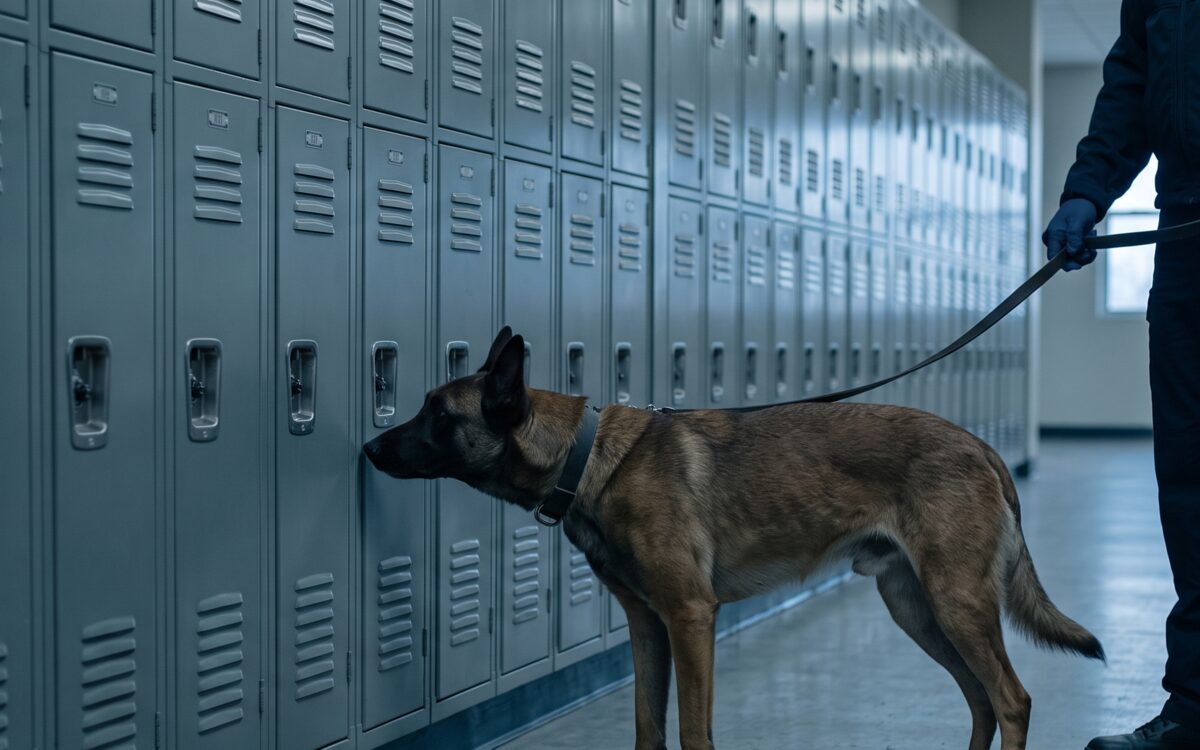
Narcotics Detection
Finding illegal drugs in lockers, vehicles, common areas, packages, and open spaces — the longest-established of the three detection disciplines.
The value is as much deterrence as any single dramatic find — people behave differently when they know a sweep is a real possibility.
How narcotics sweeps work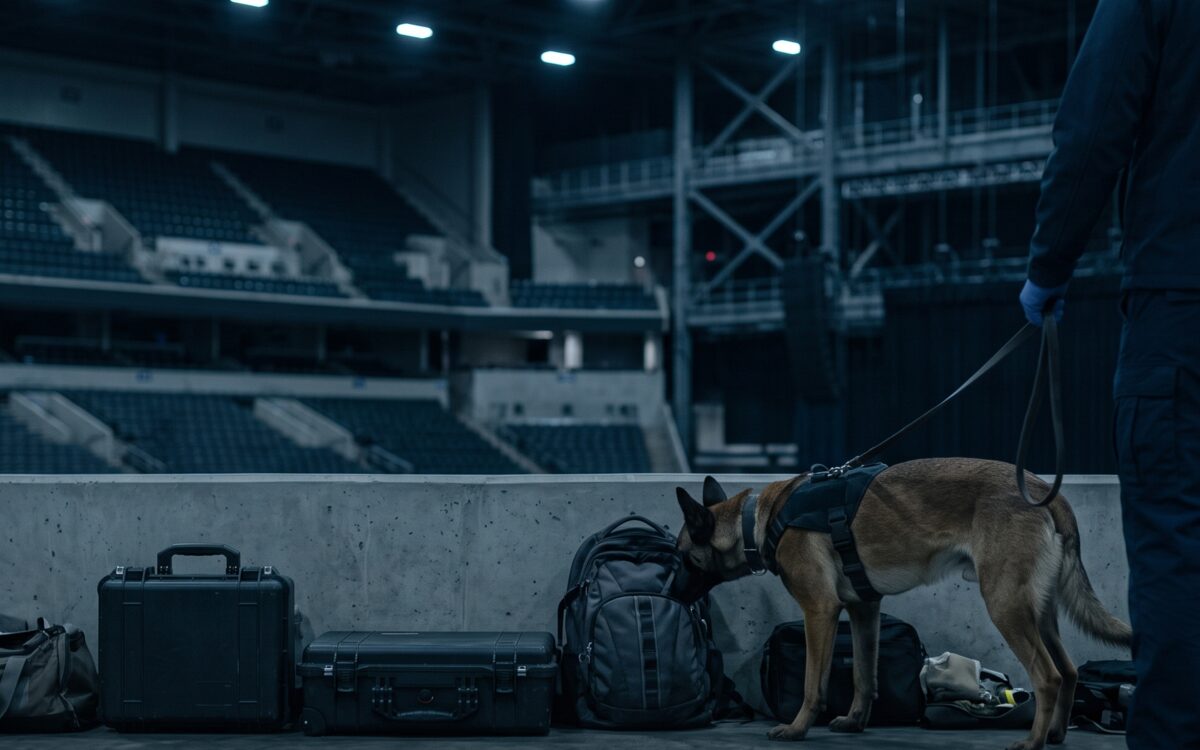
Explosives Detection
Checking venues, buildings, vehicles, and bags before an event or before a building opens for the day.
This is the most demanding discipline in canine detection — the training standard is higher and the work is almost always tied to a hard deadline, because a venue sweep is worth very little if it finishes after the doors open.
How explosives sweeps work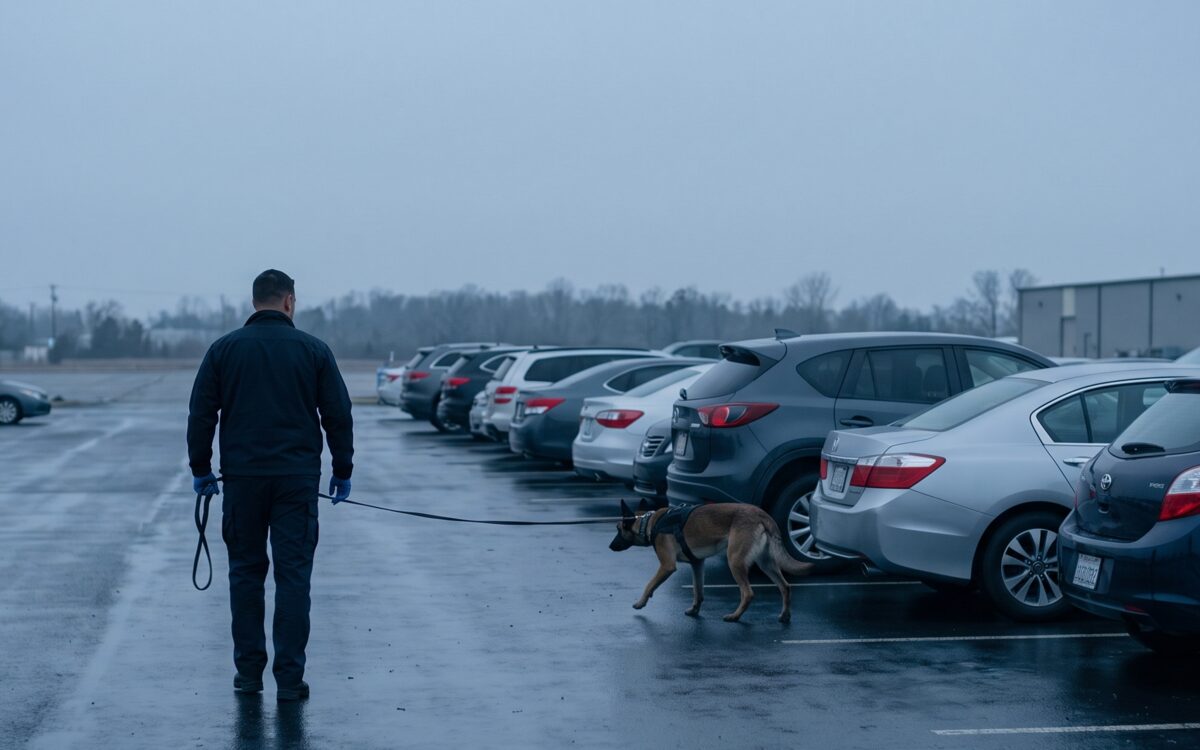
Firearms Detection
Detecting firearms and ammunition on campuses and at venues — the newest of the three disciplines.
It is worth knowing up front that this discipline is still formalizing nationally, and we will tell you plainly what it does and does not cover before you commit to it.
How firearms sweeps workWhere We Work
Five environments we are set up for — each with its own schedule, access rules, and reporting needs.
- Schools & UniversitiesLockers, campus, and lot sweeps around the bell schedule
- Government & CourtsScreening support for public buildings and courthouses
- Corporate & CommercialWorkplace sweeps that keep policy enforcement consistent
- Events & VenuesPre-event and day-of sweeps before doors open
- Logistics & WarehousingCargo and dock screening on a standing schedule
Based in the Valley, Working Nationwide
K9IDS is based in California’s Central Valley and works across the entire United States. Teams are available 24 hours a day, by appointment, with a lead time of under six hours, depending on distance.
Close to home, that base is what makes same-week scheduling and genuine short-notice call-outs practical — across Fresno, Clovis, Madera, Merced, Visalia, Hanford, Tulare, Porterville, Bakersfield, Modesto, and the communities between them. Further out, the same team travels to you.
“Interdiction” simply means stopping something before it gets in. Our teams screen for contraband at the door, not after it is already inside.
One Team, Every Odor
Our dogs are trained for scent work across every category we offer — illicit substances, explosives, incendiaries, gunpowder and black powder. That matters practically: a single team can sweep a building for all of it at once, rather than you scheduling one visit for drugs and a second for weapons. You get one schedule, one walkthrough, and one report.
Property and Places, Never People
Our dogs screen places and property — lockers, vehicles, bags, common areas, grounds. They are not used to search people. The dog signals by sitting or standing still at the source: no digging, no barking, no contact with anyone. There is nothing dramatic about a sweep in progress — on a school campus, classes can carry on as normal while the team works the hallways and lot.
Book One Visit or a Standing Schedule
Use us once for a specific event or a specific concern, or set a recurring schedule for ongoing deterrence. You are welcome to start with a single sweep and judge the work before committing to anything longer.
New Company, Straight Answers
K9IDS is a new company, and we would rather you hear that from us than find it out later. What we will not do is pad this site with vague claims to look older than we are. Before you commit to anything we will show you our training and evaluation records, walk your facility with you at no cost, and tell you honestly whether a detection dog is even the right tool for your problem.
The Questions Worth Asking First
Do your dogs bite or physically restrain anyone?
No. Our dogs are trained only to locate a target odor and quietly signal where it is, usually by sitting or standing still. They are not trained for apprehension, patrol, or bite work, and they do not make contact with anyone. Our handlers do not search people, detain anyone, or make arrests.
Is this legal on our campus or in our building?
We screen property — lockers, common areas, vehicles, parking lots — not people. We work inside your existing policy on property searches and canine screening rather than asking you to change it. We are not attorneys and this is not legal advice, so we would always encourage you to confirm the specifics with your own counsel. We are glad to walk your administrators or counsel through exactly what a visit involves beforehand.
What happens if a dog alerts on something?
We point it out to your designated contact on the spot, while we are still there. We do not open, seize, or search anything ourselves. What happens next — including whether law enforcement gets involved — is entirely your organization’s decision, guided by your own policies.
Do we need a different dog for each thing we want detected?
No. Our dogs are cross-trained for scent work across all of the categories we offer — illicit substances, explosives, incendiaries, and firearms odors including gunpowder and black powder. One team can screen your site for all of it on a single visit, so you are not scheduling one sweep for drugs and another for weapons.
What It Costs, and What You Get
How Pricing Works
We price work one of two ways: a flat rate per visit for one-time sweeps, or a monthly rate if you want us on a standing schedule. Which one fits comes down to how often you want us on site, and we work that out with you before quoting.
Three things set the number:
- Size of the site — square footage, number of buildings, number of floors.
- What is in scope — lockers only, or lockers plus vehicles, common areas and grounds.
- How often — a single visit, a quarterly schedule, or a weekly standing visit.
A single-building sweep once a quarter and a multi-site campus every week are very different jobs, and we would rather quote yours accurately than publish a headline rate that turns out not to apply. Tell us those three things and we will give you a real number, not a range.
Work far enough out that it involves travel is booked as a two-day minimum engagement. We do not publish a mileage cutoff for that, because we would rather tell you which side of the line your site falls on when we quote than have you guess it off a map.
If your purchasing process has to set us up as a vendor first, we can complete your packet and provide the documents that go with it.
What a detection dog sweep costs
Vendor documents and paperwork
What You Receive Afterward
Anything the dog signals on is pointed out to your designated contact on the spot, while we are still standing there. Nothing is opened, moved, or removed by us — we show you the location and the decision is yours from that moment on.
After the visit you receive a written record: which areas were covered, when we were there, how long it took, and what the dog signaled on. If the dog signals on nothing, you get that in writing too — documentation that the sweep happened and the areas were clear is worth as much as any alert.
What happens next is always your organization’s call, guided by your own policies and, where relevant, your legal counsel.
Ready to Talk About Your Facility?
Tell us what you would like screened and where the site is, and we will follow up within one business day — or call rather than write, if your timing is shorter than that.